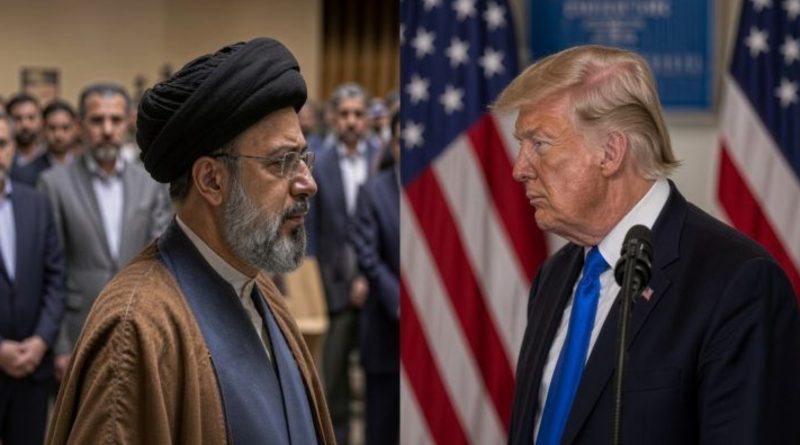
NEW DELHI – Secretary of State Marco Rubio, speaking from India during a pivotal diplomatic mission, declared that the immediate and permanent reopening of the Strait of Hormuz remains a non-negotiable priority for the United States, labeling Iran’s disruption of the critical global energy chokepoint as “unlawful, illegal, unsustainable for the world, and unacceptable.” Rubio’s forceful remarks coincided with his confirmation that substantive, sit-down negotiations between American and Iranian representatives are concurrently underway in Qatar. Diplomatic teams are currently “working through the language” of a preliminary framework, although Rubio emphasized that finalization could require additional time. Reaffirming the central tenet of President Donald Trump’s foreign policy, the Secretary stressed that the administration’s position is steadfast: the United States demands “a good deal or no deal.”
However, the delicate diplomatic dance in Doha was sharply punctuated by kinetic action in the Persian Gulf. Even as negotiators broke for consultations, U.S. Central Command (CENTCOM) announced that American forces had executed what it termed “precision self-defense strikes” inside southern Iran. Captain Tim Hawkins, a CENTCOM spokesperson, said the military operation specifically targeted advanced missile facilities and Iranian assets positively identified as preparing naval mining operations near critical maritime lanes. The Pentagon categorized these strikes as necessary defensive measures, designed to protect U.S. personnel and assets operating in the region while technically maintaining the broader, tenuous cease-fire framework.
A senior defense official provided further context, revealing that U.S. aircraft and naval vessels monitoring the Gulf of Oman and Arabian Sea had encountered direct “hostile tracking” from Iranian surface-to-air missile systems. The retaliatory U.S. strikes were centered near Bandar Abbas, a crucial Iranian naval hub, signaling a robust and dynamic implementation of the administration’s “maximum pressure” campaign.