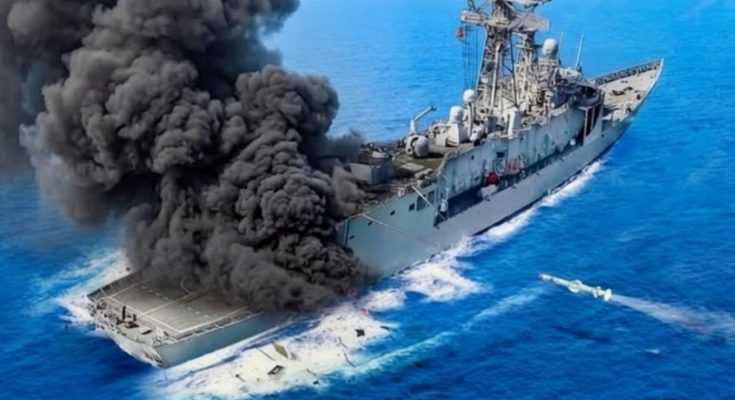
A high-stakes naval crisis recently unfolded in the narrow waters of the Strait of Hormuz when Iran launched a coordinated ambush against a United States aircraft carrier. Thirty-two anti-ship missiles were aimed at the vessel, threatening nearly five thousand lives. The impending attack created a terrifying window where disaster seemed imminent.
Despite the perceived advantage of surprise, the sophisticated defense mechanisms of the carrier group completely altered the outcome. With only minutes to impact, the layered missile defense systems activated automatically. Electronic warfare countermeasures successfully disrupted the incoming projectile trajectories before they could reach their intended targets.
This tense scenario highlights the incredible complexities and dangers inherent in modern naval warfare. Analysts point out that technological superiority often dictates survival in volatile chokepoints. A carefully planned enemy strike can face total strategic collapse when encountering advanced defensive readiness.