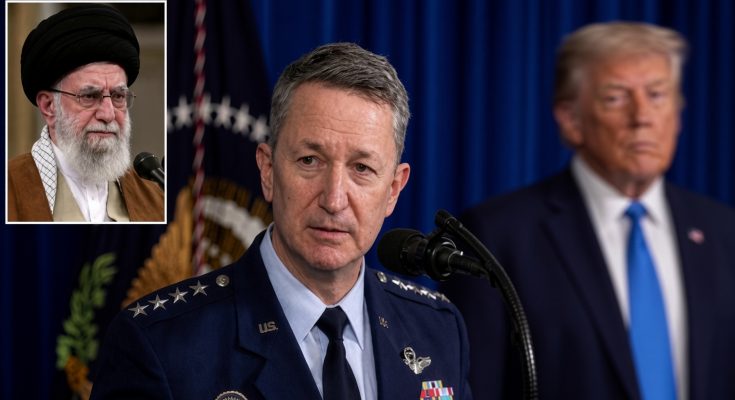
Military tensions between the United States and Iran escalated sharply in late July after Iranian forces launched ballistic missile strikes targeting American positions across the Middle East. Regional air defense systems successfully intercepted the incoming projectiles, preventing any reported casualties among the more than 50,000 U.S. service members currently stationed throughout the strategic theater. In immediate retaliation for the aggression, American and Saudi military aircraft executed a series of coordinated precision strikes against strategic facilities located in eastern Iraq.
According to operational briefings provided by U.S. Central Command, the targeted installations belonged to Iran-aligned armed groups operating under the direct control of the Islamic Revolutionary Guard Corps. The targeted sites included critical logistics centers, heavily stocked ammunition depots, weapons storage facilities, and tactical staging areas utilized to coordinate ongoing attacks against Western and regional assets. Military analysts note that these simultaneous cross-border actions demonstrate how swiftly localized skirmishes can escalate into broader regional confrontations.
The recent surge in hostilities underscores the enduring fragility of Middle Eastern security and the persistent threat posed by state-backed militias. Washington has repeatedly signaled its firm commitment to protecting American personnel and regional allies from ongoing proxy aggression. Meanwhile, defense planners are closely monitoring potential Iranian responses as diplomatic channels remain strained and regional defense networks maintain heightened vigilance against future threats.